Rarely is it all about food in obesity. It is a chronic, relapse biological disease to the millions of individuals who have been struggling with Class II or Class III obesity. It is a disorder in which the internal thermostat of the body in terms of weight is disrupted. As soon as the conventional way of weight loss, such as diet and physical activity no longer give the desired effect, it is not a demonstration of their frailty, but rather an indication of a biological reset needed.
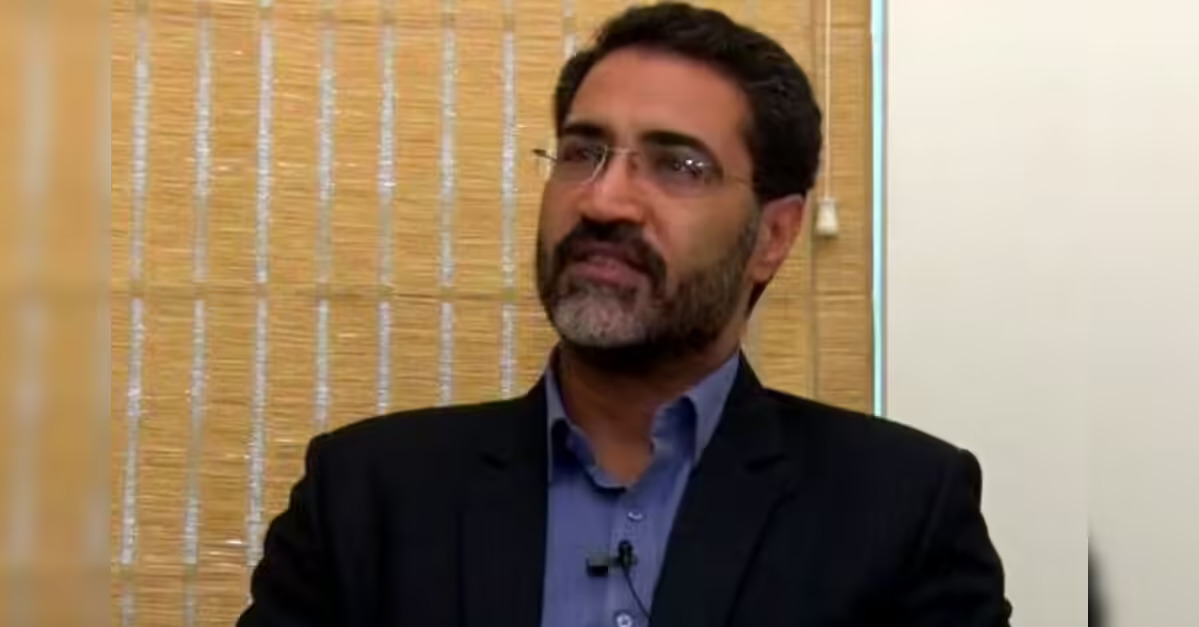
Dr. Sumit Talwar is the light of hope in the medical city of Bangalore. Being the Chairman of Bariatric and Metabolic Surgery of Manipal Hospitals, he is a great entry to 30 years of surgical excellence. This guide dwells on the role his AIIMS-trained accuracy, as well as his caring nature is playing in helping patients to rewrite their health stories.
The Clinical Pedigree: The Importance of Experience.
By selecting a bariatric surgeon you are not selecting someone to carry out a medical procedure but a partner to continue work with on a lifetime metabolic change.
- The AIIMS Legacy: the foundation of Dr. Sumit Talwar at the All India Institute of medical sciences (AIIMS, New Delhi) introduced a culture of zero-error surgery.
- Global Benchmarking: Since he was trained in the UK, and has been employed in the international surgical societies, he will be bringing First World standards of safety to Bangalore.
- The Volume Benefit: After performing thousands of successful surgeries, Dr. Sumit Talwar has tackled what most surgeons consider to be the most difficult anatomical issues, be it Super-Obese (BMI $>60) patients or the more complicated surgeries of revision.
The Metabolic in Metabolic Surgery.
Majority of them refer to it as Weight Loss Surgery, though Dr. Sumit Talwar for her part calls it Metabolic Surgery. Why? Since half the battle is the weight loss.
The Resolution of "Diabesity"
Diabesity is a term used to define the combination of Type 2 Diabetes and Obesity. The treatment of diabetes with insulin is performed with the help of traditional medicine; the treatment of the underlying cause is performed with the help of the metabolic surgery.
- Hormonal Shift: Within hours of surgery, the gut starts to secrete an increased amount of Incretins (hormones that promote insulin production).
- The Outcome: A great percentage of patients that Dr. Sumit Talwar works with walk out of the hospital much more dependent on diabetes medication, or not at all.
The Technology Suite: The Beyond the Scalpel.
Dr. Sumit Talwar is the leader of surgical innovation. He also applies technology not only to ensure modernity, but also to enhance patient safety and recovery rates.
Da Vinci Surgery (Robotic -Assisted Surgery).
The robot does not substitute the surgeon, on the contrary, it empowers him.
- Accuracy: It makes suture in small areas possible using so-called wristed instruments, with a larger range of movement than a human hand.
- Visual Clarity: 3D, high-definition magnification enables Dr. Sumit Talwar to see tiny blood vessels and nerves, so that he is likely to lose little blood.
SILS (Single Incision Laparoscopy Surgery)
Scar fear is a deterrent to many people. Dr. Sumit Talwar focuses on SILS that involves the whole surgery being done at the belly button (umbilicus).
- Hidden Scars: Once the scar is healed it is rolled up in the belly button.
- Less Pain: Only a few incisions will be made resulting in fewer traumas on the abdominal wall.
Bariatric & Metabolic Surgery – Detailed Comparison Table
Below is a clinically structured comparison of the four most commonly performed bariatric and metabolic procedures.
|
Parameter |
Sleeve Gastrectomy |
Roux-en-Y Gastric Bypass |
Mini Gastric Bypass |
Biliopancreatic Diversion with Duodenal Switch |
|
Procedure Type |
Restrictive |
Restrictive + Malabsorptive |
Restrictive + Malabsorptive |
Restrictive + High Malabsorptive |
|
Stomach Size After Surgery |
~20–25% remains |
Small pouch (~30 ml) |
Small tubular pouch |
Sleeve stomach + intestinal bypass |
|
Intestinal Rerouting |
No |
Yes |
Yes (single connection) |
Yes (extensive) |
|
Average Excess Weight Loss |
50–70% |
60–80% |
60–75% |
70–90% |
|
Diabetes Remission Rate |
High |
Very High |
Very High |
Extremely High |
|
Effect on GERD |
May worsen |
Often improves |
Variable |
May improve |
|
Surgical Complexity |
Moderate |
High |
Moderate |
Very High |
|
Operative Time |
60–90 min |
90–150 min |
60–120 min |
150–240 min |
|
Hospital Stay |
1–2 days |
2–3 days |
2–3 days |
3–4 days |
|
Recovery Time |
2–4 weeks |
3–5 weeks |
3–4 weeks |
4–6 weeks |
|
Nutritional Deficiency Risk |
Moderate |
Moderate–High |
Moderate |
High |
|
Vitamin Supplement Requirement |
Lifelong |
Lifelong (higher doses) |
Lifelong |
Strict lifelong supplementation |
|
Risk of Dumping Syndrome |
Rare |
Common |
Possible |
Rare |
|
Reversibility |
No |
Technically reversible |
Limited |
Rarely reversible |
|
Best Suitable For |
BMI 35–45 |
BMI 40+ or severe diabetes |
Diabetes + obesity |
BMI >50 (super obesity) |
The 360-Degree Patient Journey
Surgery is a one month affair in a many month change process under the care of Dr. Sumit Talwar.
Phase 1: The Mentality Consultation.
Dr. Sumit Talwar is popularly amiable. You begin with your initial visit, the summary of your Dietary History. Are you a Volume Eater (consumes great meals) or a Sweet Eater (grazes on high-calorie snacks)? This will determine the best type of surgery to be adopted.
Phase 2: The Pre-Op "Liver Shrink"
Obese patients also possess fatty liver that complicates the process of surgery. Dr. The team of Sumit Talwar prepares you on a certain high protein liquid diet of 7-14 days before surgery. This diminishes the size of the liver and thus the operation is less dangerous and quicker.
Phase 3: Phase 3: The Rapid Recovery Protocol.
- Hour 0-4: You are awake and are advised to sit up.
- Hour 6: Strolling along in the hospital hallways to avoid DVT (blood clots).
- Day 1: Clear liquids should be used as a starting point.
- Day 21: Moving to soft and solid food.
Life After Surgery: The New normal.
The fears that most often are experienced are: Will I never again see the food?
The positive response is a resounding Yes. You will not miss the tastes or the bite of food, but you will have a new-founded "Power of No." The continuous noise about food, the noises about food, simply disappears.
Dr. Sumit Talwar also insists on the first rule; the Protein-First rule: each meal should include a high quality protein source in order to maintain the muscle body as the fat is burned off.
We have the Frequently Asked Questions (FAQ).
Q1: Is bariatric surgery safe?
Using statistical data, bariatric surgery is now safer than a gallbladder operation or knee replacement surgery. With the administration of a specialist such as Dr. Sumit Talwar and the facility provided by a tertiary care center of Manipal Hospital, the risks will be reduced because of the thorough pre-operative screening and technology.
Q2: What is the amount of weight I am likely to lose?
The breakdown occurs at a rate of between 60% and 80 percent of the excess body weight of most patients in the first year of 12-18 months. As an example, you can lose 30-40kg in case you are 50kg overweight, however, you should adhere to the nutritional guidelines.
Q3: Is weight loss surgery insurable?
Yes! The IRDAI policies have also been updated in India to treat obesity as a disease. Majority of the most extensive insurance plans when the patient has certain requirements of the BMI (typically BMI $>35 40 with comorbid issues such as Diabetes or BMI $ 40)).
Q4: How soon can I return to work?
In desk working, the majority of patients report back to the workers after 7 to 10 days. In the case of work involving heavy lifting, Dr. Sumit Talwar normally suggests that a 3-4-week pause is taken in order to make sure that the abdomen wall has healed.
Q5: Would I then be required to take vitamins forever?
Yes. Due to the effect of the surgery on nutrient absorption (particularly a Bypass), multivitamins, Calcium, and B12 taken daily will help counter nutrient deficiencies. Better consider it as an affordable subscription fee to a far healthier life.
Q6: an the weight come back?
It is a re-set and not a permanent solution to bad habits of surgery. To degree, some weight gains can be expected when a patient takes liquids containing high calories regularly (such as soda or melted ice cream). But, using the long-term follow-up program by Dr. Sumit Talwar, the patients have the resources to be careful.
Conclusion: Your Transformation Awaits
Choosing to undergo obesity surgery is a profound act of self-love. It is a decision to be there for your children’s weddings, to travel without pain, and to look in the mirror and see the person you’ve always felt like on the inside.
Dr. Sumit Talwar provides more than just surgical skill; he provides a roadmap to a version of you that is lighter, faster, and healthier.