By Dr. Sumit Talwar | Bariatric Surgeon, Bangalore
Introduction
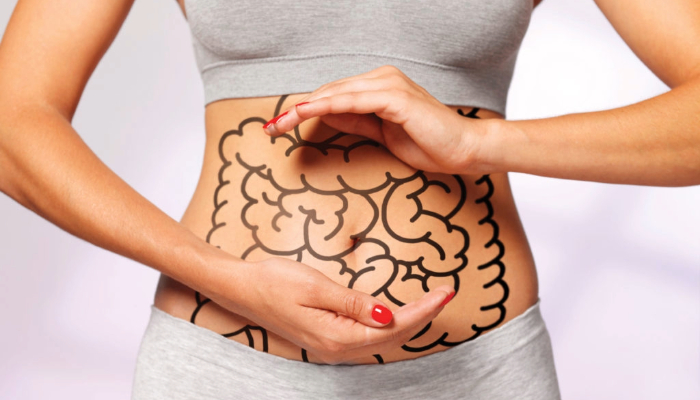
When it comes to obesity and weight loss, most people focus only on calories, workouts, or surgical options. But one of the most powerful factors influencing your weight is often overlooked: your gut health. The balance of bacteria in your digestive system—known as the gut microbiome—has a direct impact on how your body stores fat, how hungry you feel, how well you digest food, and even how successful you are after bariatric surgery.
Recent research has shown a strong connection between the gut microbiome and obesity, making it a critical area of focus for individuals aiming to lose weight naturally or maintain weight after surgical procedures like gastric sleeve or gastric bypass.
How Gut Health Affects Weight Gain and Obesity
Our digestive tract is home to trillions of bacteria, both good and bad. These bacteria not only help in digestion but also control how food is metabolized. In people struggling with obesity, studies show an imbalance in gut bacteria, which leads to greater calorie extraction from the same quantity of food. This means that even if you're eating less, your body might be absorbing more due to poor gut microbiome balance.
An unhealthy gut promotes chronic inflammation, insulin resistance, and fat storage—all of which make it harder to lose weight and easier to regain it.
Gut Health After Bariatric Surgery: Why It Matters
After bariatric surgery, your gut environment changes significantly. The stomach’s size is reduced, your eating habits change, and so does your bacterial makeup. That’s why a gut-friendly post-bariatric diet is essential to ensure long-term weight loss success.
Maintaining a healthy gut after surgery helps:
- Improve nutrient absorption
- Prevent deficiencies
- Regulate appetite hormones
- Support healthy digestion and metabolism
If you're wondering why you’re not losing weight even after surgery, your gut might be the missing link.
How to Improve Gut Health Naturally for Weight Loss
- Focus on High-Fiber, Plant-Based Foods
Foods rich in fiber act as natural prebiotics, feeding the good bacteria in your digestive system. Including fiber-rich vegetables, whole grains, legumes, and fruits in your daily meals enhances gut health for weight loss. In fact, fiber not only supports digestion but also keeps you full longer, reducing your total calorie intake. - Add Natural Probiotics to Your Diet
Probiotic-rich foods like curd, buttermilk, and fermented vegetables increase the population of beneficial bacteria. After bariatric surgery, introducing these foods can help restore microbial balance, especially when antibiotics or protein-heavy diets might disrupt it. - Stay Away from Processed and Sugary Foods
One of the biggest enemies of your gut health is sugar. Refined sugar and processed foods encourage the growth of harmful bacteria and yeast, leading to inflammation and bloating. A diet high in sugar also interferes with your body's fat-burning mechanisms, contributing to obesity and digestive issues. - Drink More Water to Support Digestive Flow
Water not only aids in the movement of food through your gut but also helps in balancing the mucus lining of the intestines, which supports good bacteria. Staying hydrated is crucial for individuals who have undergone weight-loss surgery, especially when the new stomach size limits fluid intake during meals. - Eat Regular, Balanced Meals
Irregular eating patterns and crash diets disturb your internal gut rhythm. Eating well-balanced meals at regular intervals promotes consistent digestion and maintains gut-brain axis stability, which influences your hunger and mood.
Gut Health and Mental Wellness
An unhealthy gut doesn't just affect your weight—it impacts your mental health as well. This is because of the gut-brain axis, the communication network between your gut and your brain. Many patients after bariatric surgery report better mood, improved sleep, and reduced anxiety when their gut health improves. This makes gut care an essential part of any post-bariatric wellness plan.
Signs Your Gut Needs Support
Watch out for these common indicators of poor gut health:
- Constant bloating or gas
- Fatigue or low energy
- Difficulty losing weight
- Frequent sugar cravings
- Skin issues or frequent infections
If you’ve noticed any of these signs, it’s time to focus not just on your diet—but also on your digestion.
Dr. Sumit’s Tips to Build a Gut-Healthy Routine
- Habit Why It Matters
- 2 servings of vegetables per meal Adds prebiotic fiber and antioxidants
- 1 bowl of curd daily Increases beneficial bacteria
- Avoid sugar and processed snacks Reduces inflammation in the gut
- Stay hydrated Improves digestion and nutrient absorption
- Sleep 7–8 hours Helps regulate gut-brain signals
Conclusion: A Healthy Gut is Your Secret Weapon for Lasting Weight Loss
Whether you’re planning to lose weight naturally or have already undergone bariatric surgery, it’s time to pay attention to your gut. A well-balanced gut not only helps burn fat more efficiently but also boosts your metabolism, controls cravings, and supports mental clarity.
At Dr. Sumit’s Obesity Care in Bangalore, we emphasize a whole-body approach to weight loss—one that combines surgical excellence with post-operative support focused on nutrition, lifestyle, and gut health.
📞 Ready to Take Control of Your Gut and Weight?
If you're struggling with obesity or post-surgery weight regain, schedule a consultation with Dr. Sumit Talwar, one of Bangalore’s most trusted bariatric surgeons. Let’s work together to create a personalized, gut-friendly weight loss planthat lasts.