What It Is, Why It Happens, and How to Manage It
By Dr. Sumit Talwar – Leading Bariatric Surgeon in Bangalore
Gastric bypass surgery is one of the most effective and widely performed bariatric procedures in the world. It helps patients achieve significant weight loss, manage comorbidities like type 2 diabetes, and live healthier lives. However, like any surgery, it comes with its own set of adjustments—and one such side effect that some patients experience is dumping syndrome.
In this blog, we’ll explain everything you need to know about dumping syndrome after gastric bypass surgery, including its causes, symptoms, prevention, and management.
What Is Dumping Syndrome?
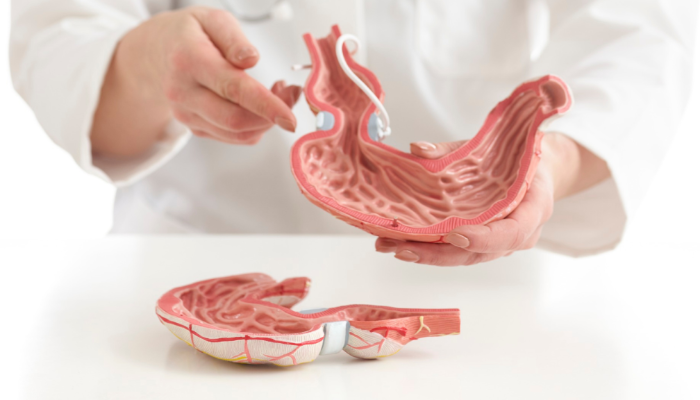
Dumping syndrome occurs when food—especially sugar—moves too quickly from the stomach into the small intestine. After gastric bypass surgery, the anatomy of your digestive system is altered. Food bypasses a portion of the stomach and the upper part of the small intestine (duodenum), which can sometimes cause a sudden “dumping” of undigested food into the small bowel.
Types of Dumping Syndrome
There are two types of dumping syndrome:
- Early Dumping Syndrome
Occurs 10 to 30 minutes after eating.
Symptoms include:
- Nausea
- Cramping or abdominal pain
- Diarrhea
- Bloating
- Dizziness
- Sweating
- Rapid heart rate
- Late Dumping Syndrome
Occurs 1 to 3 hours after eating.
Symptoms include:
- Low blood sugar (hypoglycemia)
- Weakness or fatigue
- Sweating
- Shakiness
- Dizziness
- Hunger
- Confusion
- Consume high-sugar or high-fat foods
- Eat large meals
- Drink liquids with meals
- Eat too quickly
- Eat Smaller, More Frequent Meals
Stick to 5–6 small meals per day to ease digestion. - Avoid Sugary Foods and Drinks
Limit sweets, desserts, fruit juices, and sweetened beverages. - Limit High-Fat Foods
Fatty foods can also trigger symptoms, so opt for low-fat cooking methods like grilling or steaming. - Don’t Drink Liquids With Meals
Wait at least 30 minutes after eating before drinking any fluids. - Chew Thoroughly and Eat Slowly
Proper chewing and slow eating help food digest more efficiently. - Choose High-Protein, Low-Carb Foods
These are easier to digest and help maintain stable blood sugar levels. - Lie down and rest if you feel dizzy or weak.
- Drink water or an electrolyte-rich fluid slowly (but not during meals).
- For late dumping, a small snack containing protein or complex carbs (like nuts or whole grains) may help stabilize blood sugar levels.
- Avoid simple carbs like white bread or rice.
- Track your food and symptoms to identify triggers.
- Nutritional counseling
- Medication to slow gastric emptying
- Blood sugar monitoring in case of late dumping
Why Does Dumping Syndrome Happen After Gastric Bypass?
In a normal digestive process, food moves gradually through the stomach and is mixed with digestive juices before entering the small intestine. After a Roux-en-Y gastric bypass, the stomach pouch is much smaller, and the pyloric valve (which controls the release of food into the small intestine) is bypassed. This means that food—especially sugary or fatty meals—can rapidly enter the intestines, leading to fluid shifts and hormonal changes, which trigger the symptoms of dumping syndrome.
Who Is at Risk?
Anyone who has undergone gastric bypass surgery can potentially experience dumping syndrome, especially in the first few months after the procedure. It’s more likely to occur if you:
How to Prevent Dumping Syndrome
Dumping syndrome is largely preventable with the right dietary and lifestyle habits. Here are some helpful tips:
How to Manage Dumping Syndrome
If you do experience symptoms, here’s what you can do:
Is Dumping Syndrome Dangerous?
Dumping syndrome is uncomfortable but not life-threatening. In most cases, it improves over time as your body adjusts to the new digestive system. With the right lifestyle modifications and support from your bariatric care team, you can manage it effectively.
When to Consult a Bariatric Specialist
If you’re experiencing persistent or severe symptoms of dumping syndrome after your gastric bypass surgery, it’s important to seek medical advice. You may need:
Expert Bariatric Support in Bangalore
At Dr. Sumit Obesity Care, we don’t just perform successful bariatric surgeries—we ensure our patients receive comprehensive pre- and post-operative care, including education on managing potential side effects like dumping syndrome.
Dr. Sumit Talwar is a renowned bariatric and metabolic surgeon in Bangalore known for his expertise, compassionate care, and long-term support for his patients.
Final Thoughts
Dumping syndrome after gastric bypass is a common yet manageable condition. By understanding what causes it and making thoughtful adjustments to your diet and routine, you can continue your journey to better health without disruption.
If you're preparing for bariatric surgery or are already in your recovery phase, know that you're not alone. With the right guidance and care, you can overcome any challenges and achieve lasting success.
Book Your Consultation with Dr. Sumit Talwar Today
Visit our site: https://www.drsumitobesitycare.com/
Call Us: 9019560077