Introduction
Robotic-assisted surgery represents a significant advancement in the field of surgical medicine, offering enhanced precision, flexibility, and control compared to traditional surgical methods. This technology leverages robotic systems to assist surgeons in performing complex procedures through minimally invasive techniques. In this blog, we will explore the benefits, risks, and what patients can expect when undergoing robotic-assisted surgery.
What is Robotic-Assisted Surgery?
Robotic-assisted surgery utilizes robotic systems controlled by surgeons to perform operations. The most commonly known system is the da Vinci Surgical System. It includes:
- Surgeon Console: Where the surgeon sits and controls the instruments.
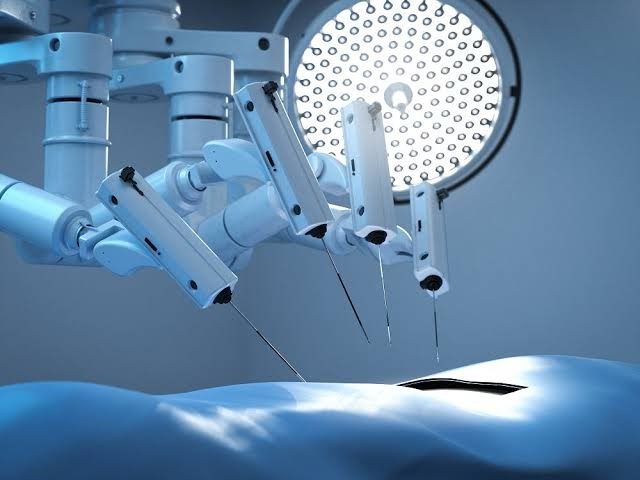
- Patient-Side Cart: Positioned beside the patient, equipped with robotic arms that hold the surgical instruments and camera.
- Vision System: Provides a high-definition, 3D view of the surgical area, enhancing visibility.
The surgeon’s movements are translated into precise movements of the robotic instruments, allowing for greater dexterity and control than what is possible with human hands alone.
Benefits of Robotic-Assisted Surgery
1. Enhanced Precision and Control:
- Improved Accuracy: Robotic systems filter out hand tremors and allow for highly precise movements, essential for delicate and complex procedures.
- 3D Visualization: The high-definition, 3D view provides a magnified view of the surgical site, aiding in the identification and preservation of vital structures.
2. Minimally Invasive:
- Smaller Incisions: Robotic-assisted surgery typically involves smaller incisions compared to traditional open surgery, leading to reduced scarring.
- Less Trauma: Reduced tissue trauma results in less postoperative pain and faster recovery times.
3. Reduced Risk of Complications:
- Lower Infection Rates: Smaller incisions and minimal exposure of internal organs reduce the risk of infections.
- Quicker Recovery: Patients often experience shorter hospital stays and quicker return to normal activities.
4. Enhanced Dexterity:
- Complex Maneuvers: Robotic arms have a greater range of motion than human hands, enabling surgeons to perform intricate maneuvers that are challenging with traditional methods.
- Access to Difficult Areas: The flexibility of robotic instruments allows surgeons to access hard-to-reach areas within the body.
Risks and Considerations
While robotic-assisted surgery offers numerous benefits, it is not without risks. Potential risks include:
- Surgical Complications: Like any surgical procedure, there is a risk of complications such as bleeding, infection, and injury to surrounding organs.
- Learning Curve: Surgeons require specialized training to proficiently use robotic systems, and there may be a learning curve associated with mastering the technology.
- Technical Issues: Although rare, there is a possibility of mechanical failure or technical issues with the robotic system.
- Cost: Robotic-assisted surgery can be more expensive than traditional methods due to the cost of the technology and training.
What to Expect During Robotic-Assisted Surgery
Preoperative Preparation:
- Consultation: Discuss your medical history, current medications, and any concerns with your surgeon.
- Preoperative Testing: You may undergo blood tests, imaging studies, or other diagnostic tests to ensure you are fit for surgery.
- Instructions: Follow preoperative instructions provided by your surgeon, including fasting and medication adjustments.
During the Surgery:
- Anesthesia: You will receive general anesthesia to ensure you are asleep and pain-free during the procedure.
- Surgical Procedure: The surgeon will make small incisions and insert the robotic instruments. The surgeon controls the robotic arms from the console, performing the procedure with enhanced precision.
Postoperative Care:
- Recovery Room: After surgery, you will be monitored in the recovery room until you wake up from anesthesia.
- Hospital Stay: Depending on the procedure, you may stay in the hospital for a shorter period compared to traditional surgery.
- Follow-Up: Attend follow-up appointments to monitor your recovery and address any concerns.
Consult Dr. Sumit Talwar
For expert advice and advanced robotic-assisted surgery, consult Dr. Sumit Talwar. Dr. Talwar is renowned for his expertise in minimally invasive and robotic-assisted surgical techniques, ensuring patients receive the highest standard of care.
Dr. Sumit Talwar’s commitment to patient care and advanced surgical techniques ensures optimal outcomes and a smooth recovery. Reach out to Dr. Talwar for personalized and effective treatment options for your surgical needs.